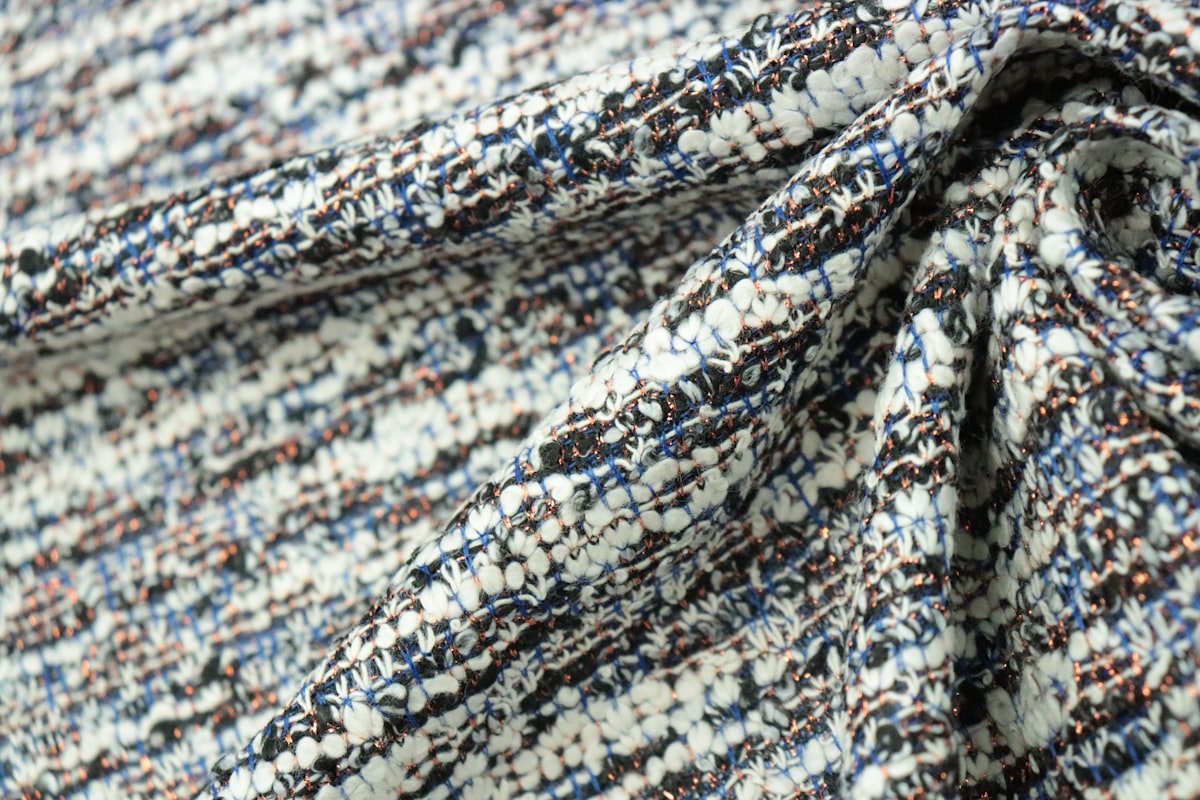
A campervan interior is the hardest brief in upholstery: it has to survive UV through big windows, condensation, sand, wet togs, spilled coffee on a gravel road and a decade of getting sat on – all inside a space the size of a bathroom. Here is how to choose fabric that copes.
What a van does to upholstery
Before choosing a fabric, be honest about the conditions. A parked van in a Nelson summer can hit 60°C inside. Overnight in Central Otago the same van drops below zero and the windows run with condensation. Seats double as beds, benches double as storage lids, and everything gets folded, dragged and knelt on.
That means the fabric needs, in roughly this order: UV resistance, abrasion resistance, easy cleaning, mould resistance and low weight. Looks come last – and you can still have them.
The four fabric families that work in vans
| Material | Best for | Watch out for |
|---|---|---|
| Marine/automotive vinyl | Seats, bench lids, anywhere wet | Sticky in heat; needs UV-stable grade |
| Solution-dyed acrylic | Curtains, cushion tops, awning-side seats | Less abrasion resistance than vinyl |
| Performance woven (polyester/olefin) | Dinette seats, bed cushions | Check the UV rating, not just Martindale |
| Wool or wool-blend | Cold-climate vans, ‘cabin’ look | Moths, cost, slower drying |
Vinyl for the wet zones
The rear bench that becomes a bed, the seat beside the sliding door, the squab under the cook – these get wet. A UV-stabilised marine vinyl wipes clean, doesn’t absorb sunscreen and won’t grow mould in the foam beneath because water never gets there. Look for a cold-crack rating (–20°C or better) and a UV rating of at least 500 hours. Our vinyl range lists both on each product page.
The downside is comfort on hot skin. The fix is to use vinyl on the seat base and a breathable performance weave on the backrest and cushion tops, which is exactly what the better factory conversions do.
Solution-dyed acrylic for anything the sun hits
Solution-dyed means the pigment is in the fibre itself, not printed on the surface, so the colour survives years of NZ sun. It is the standard for boat covers and it works beautifully as van curtains, cushion covers and privacy screens. Our Coastal outdoor canvas is a typical example: colourfast, water-repellent and mould-resistant. It’s not as abrasion-tough as vinyl, so keep it off the high-wear seat edges.
Performance weaves for the living areas
For dinette seats and day-bed cushions you want something that feels like furniture. A performance weave such as our Sentinel performance weave gives you 60k+ Martindale, a stain-resistant finish and a W-S cleaning code, so you can sponge off the mud. The key spec for a van is UV: ask for a lightfastness rating of 5 or better on the blue-wool scale.
Wool for the alpine set
If your van lives in Queenstown and you want a cabin feel, a wool-rich weave is warm, naturally flame-resistant and quiet. It is heavier and dries slowly, so pair it with dry-fast foam and keep it away from the door.
Don’t forget the foam and backing
Fabric choice is only half the story. Under a van cushion you want foam that won’t hold water and go mouldy. For any squab that can get wet, use reticulated (dry-fast) foam or at least a high-resilience foam with a breathable liner; see our seat foam range. For the bed cushions, HR35 at 100 mm is the usual sweet spot between comfort and weight – a full-width bed in soft foam can add 15 kg, which matters on a certified vehicle.
A layer of 200 gsm Dacron over the foam softens the edges and stops the cover from creeping, and it also lets air move so damp foam dries faster.
Compliance and self-containment
Fabric isn’t part of the NZ self-containment standard, but it does come into play if you’re building for resale or hire. Vinyl and many performance fabrics carry AS/NZS 1530.3 fire-test results; keep the datasheets. If you are converting a vehicle for commercial hire, a fire-rated fabric is worth specifying from the start rather than recovering later. We cover the standards in more depth in our fire ratings guide.
Colour and pattern in a small space
A van interior is mostly fabric once the cushions are in, so colour choice carries more weight than in a lounge. Mid-tone greys, sand and olive hide dust and dog hair far better than charcoal or cream. Small textured weaves and heathered vinyls disguise wear; large prints look busy in a two-metre cabin and are wasteful to pattern-match. Whatever you pick, order swatches and look at them inside the van at midday and under the LED strips at night, because both lights shift colour.
A practical trick is to use the same vinyl on every seat base and vary only the backrest fabric. It keeps the look coherent, means one spare metre covers any repair, and lets you change the mood of the van later by re-covering just the backs.
How much fabric to order
Van conversions are all different, but as a rule of thumb per piece, on 140 cm wide fabric:
- Bench squab 1200 × 500 × 100 mm: about 1.2 m
- Backrest 1200 × 400 × 60 mm: about 0.9 m
- Full-width bed cushion 1800 × 1200 × 100 mm: 3.5–4 m (seams across width)
- Curtains for a standard mid-roof van: 5–7 m of 140 cm acrylic
- Add 15% for pattern matching and 10% for mistakes; leftover makes cushions and storage bags
Send us your cushion sizes through the contact page and we’ll work out metreage and cut foam to size, which saves a lot of van-floor carving with a bread knife.
DIY or hand it over?
Squabs, curtains and simple box cushions are a good weekend project with a domestic machine and a walking foot. Captain’s chairs, swivel seat bases and anything with airbags or integrated belts are a different matter – these affect certification and should go to a trade shop. In Auckland, our sister workshop Upholstery World does RV and campervan upholstery on-site and will work from your drawings or the bare van.
Shop it: Build a van interior that lasts. Shop outdoor & marine fabrics, vinyl and cut-to-size foam, or grab a fabric sample pack to check colours in your van’s light. Everything ships nationwide from our workshop — courier to any New Zealand address, or click & collect.